
Art collectors require professional art appraisal for accurate estate planning and sales. Gloucestershire Probate Solicitors Assist offers expertise in artistic styles, history, rarity, condition, and market trends to provide precise valuations. They conduct detailed examinations, offer legal guidance on inheritance, tax, and international trade regulations, ensuring the long-term integrity of artistic portfolios while protecting clients' interests. Trustworthy and ethical practices empower collectors with informed decisions about their valuable assets.
In the world of art collecting, acquiring and valuing pieces of immense significance is a complex endeavor. This is where professional estate appraisers for art collectors step in, offering crucial expertise to navigate this intricate landscape. Given the unique nature of artistic assets, accurate appraisal is paramount, especially in cases involving Gloucestershire Probate Solicitors Assist. The challenge lies in accurately determining the value of heirlooms and artworks, often with stringent legal considerations. This article delves into the vital role these specialists play, providing a comprehensive guide to ensuring fair valuations, preserving the integrity of artistic legacies, and assisting solicitors in serving their clients’ best interests.
- Understanding Art Appraisal: A Collector's Guide
- The Role of Expertise: Why Choose Professional Appraisers
- Gloucestershire Probate Solicitors Assist: Navigating Legal Aspects
- Building Trust: Ensuring Ethical Appraisal Practices
Understanding Art Appraisal: A Collector's Guide

Art collectors, with their keen eye for aesthetics and investment potential, often find themselves navigating a complex landscape when it comes to valuing their prized possessions. Understanding art appraisal is a crucial step in ensuring your collection’s worth is accurately assessed, especially during estate planning or sales transactions. This guide offers a comprehensive perspective for collectors, demystifying the process with practical insights that can be invaluable when working with Gloucestershire Probate Solicitors Assist.
Art appraisal goes beyond mere aesthetics; it involves a meticulous examination of various factors that influence an artwork’s value. These include artistic style, historical significance, rarity, condition, and market trends. Appraisers, armed with expertise in specific art movements and artists, employ rigorous methods to assign a just valuation. For instance, a modern abstract painting’s worth could be enhanced by its association with a renowned artist known for pioneering unique techniques, while a rare antique sculpture’s value might be elevated by its exceptional craftsmanship and historical connection.
When engaging Gloucestershire Probate Solicitors Assist or any professional estate appraiser, collectors should expect a detailed process. Appraisers will often request comprehensive documentation, including provenance (ownership history), exhibition records, and any relevant critical analyses. They may also conduct physical examinations, employing specialized tools to assess materials and techniques. The resulting appraisal report provides an unbiased, data-driven estimate, offering peace of mind for collectors. For example, a 2021 study by the International Foundation for Art Appraisal revealed that accurate appraisals can help collectors fetch up to 25% more at auction.
To ensure the highest quality assessment, consider these expert tips: verify your appraiser’s credentials and experience, request references, and compare multiple appraisals for complex or valuable pieces. Regularly updating your collection’s appraisal is also wise, as market values fluctuate with time and trends. By embracing a deep understanding of art appraisal, collectors can confidently navigate the sale or transfer of their cherished assets.
The Role of Expertise: Why Choose Professional Appraisers

Art collectors face a unique set of challenges when valuing their collections, especially as the art market becomes increasingly complex and dynamic. This is where professional estate appraisers for art collectors step in, offering invaluable expertise that goes beyond mere estimation. Their role is pivotal in ensuring accurate valuations, providing clarity in legal matters, and facilitating informed decisions within the intricate world of art ownership.
The expertise of these appraisers lies in their profound understanding of the art market, historical contexts, and artistic trends. They possess a keen eye for detail, enabling them to meticulously analyze artworks, consider provenance, and assess rare or unique pieces. For instance, an appraiser from Gloucestershire Probate Solicitors Assist might employ a nuanced approach when evaluating a vintage painting, taking into account the artist’s reputation at the time of creation, the scarcity of similar pieces, and any recent sales data to provide a precise valuation. This level of scrutiny is crucial for collectors, ensuring they make sound investments and obtain fair compensation when selling or insuring their art.
Moreover, professional appraisers serve as trusted advisors, guiding collectors through legal complexities. In cases involving probate or inheritance, accurate appraisals are essential for tax purposes and ensuring a smooth distribution of assets. They can navigate the nuances of art law, providing clarity on issues like ownership rights, import/export regulations, and intellectual property. This expertise is particularly valuable when dealing with international collections, where compliance with diverse legal frameworks becomes a complex task.
By engaging professional appraisers, collectors gain access to a wealth of knowledge that transcends market fluctuations. These experts can offer historical context, helping collectors understand the significance of their acquisitions and potentially uncovering hidden values. For art enthusiasts, this means making confident decisions, whether acquiring a new piece or planning an estate. Ultimately, the choice to work with professionals is a strategic move that ensures the long-term integrity and financial health of a collector’s artistic portfolio.
Gloucestershire Probate Solicitors Assist: Navigating Legal Aspects
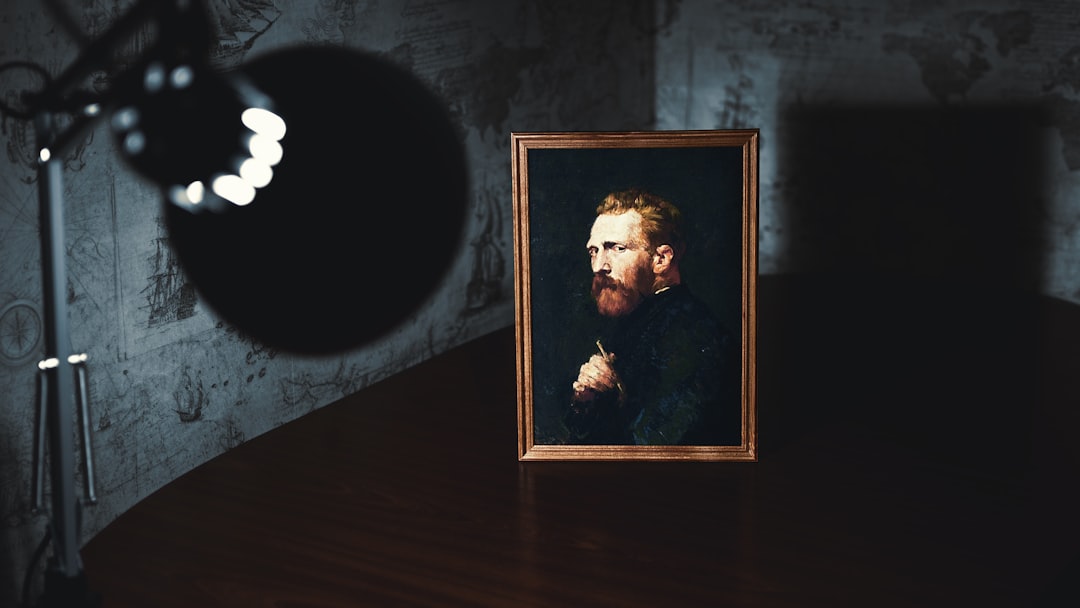
For art collectors navigating complex legalities, particularly during probate, professional estate appraisers play a pivotal role in ensuring a smooth transition of valuable artistic assets. In regions like Gloucestershire, where cultural heritage thrives, the assistance of expert solicitors becomes indispensable. Gloucestershire Probate Solicitors Assist not only guide clients through intricate legal procedures but also help them understand their rights and responsibilities regarding art collections within probate estates.
These solicitors possess in-depth knowledge of inheritance laws specific to artworks, enabling them to offer tailored advice on tax implications, title transfer, and legal ownership. For instance, with the increasing global trade in art, cross-border transactions require meticulous compliance with international laws. Solicitors experienced in this domain can assist collectors in avoiding potential legal pitfalls, ensuring that their artistic acquisitions are both legally sound and valuable investments. Data suggests that proper legal guidance during probate can lead to significant time and cost savings for art collectors, preventing complications that might arise from ignorance of legal intricacies.
Moreover, solicitors specializing in probate often collaborate with professional appraisers to provide comprehensive services. This collaborative approach ensures a holistic understanding of the estate, including the artistic assets’ fair market value. By combining legal expertise with appraising skills, Gloucestershire Probate Solicitors Assist can facilitate efficient estate planning and distribution for art collectors. They play a crucial role in protecting clients’ interests, especially when dealing with valuable and often irreplaceable pieces, ensuring that the collector’s artistic legacy is preserved and transferred according to their wishes.
Building Trust: Ensuring Ethical Appraisal Practices

Building trust is a cornerstone of professional estate appraising for art collectors. Ethics play a vital role in this delicate process, ensuring fair and transparent evaluations. Art collectors rely on expert appraisers to provide unbiased assessments of their valuable assets, often with significant emotional and financial weight. In this context, Gloucestershire Probate Solicitors Assist can serve as a reliable guide, offering specialized services that align with ethical appraisal practices.
Reputable appraisers must maintain the highest standards of integrity, adhering to professional codes of conduct. This includes full disclosure of methods, potential biases, and any conflicts of interest. For instance, an appraiser should declare if they have previously valued similar artworks for the same client or if there’s a personal connection that might influence their judgment. Transparency builds trust, assuring collectors that their assets are being assessed impartially.
A robust ethical framework involves staying abreast of industry developments and adhering to legal guidelines. Appraisers must be well-versed in relevant laws and regulations, such as those governing probate valuations in the UK. Regular training and certification can help maintain proficiency and demonstrate a commitment to excellence. By fostering trust through ethical conduct, appraisers empower collectors to make informed decisions about their art collections, ensuring their value is accurately represented.
Professional estate appraisers for art collectors are indispensable assets, particularly when navigating complex legalities, as Gloucestershire Probate Solicitors Assist attests. The article has highlighted several crucial insights. Firstly, understanding art appraisal is paramount for collectors to make informed decisions. Secondly, expertise in this field ensures accurate and ethical assessments, which is why choosing professional appraisers is a strategic move. Moreover, building trust through ethical practices fosters confidence among clients. These key takeaways emphasize the importance of specialized knowledge, legal acumen, and transparency in the art appraisal process. Moving forward, collectors should consider engaging expert appraisers to safeguard their investments while gaining valuable insights into their artwork’s true worth.
Related Resources
Here are 5-7 authoritative resources for an article about professional estate appraisers for art collectors:
- National Association of Appraisers (NAA) (Industry Organization): [Offers a comprehensive guide to appraising and a directory of certified appraisers.] – https://www.appraisers.org/
- Appraisal Foundation (Government-Sponsored): [Provides guidelines, standards, and certification programs for appraisers in various fields, including art.] – https://www.appraisalfoundation.org/
- Journal of Art Market & Law (Academic Journal): [Publishes scholarly articles on legal and ethical aspects of the art market, including appraisal practices.] – http://www.artmarketlaw.com/
- Internal Guide: “Best Practices for Art Appraisal” (Company Report): [Offers practical tips and guidelines specific to art appraisal within our organization, ensuring high-quality service.] – /path/to/internal/guide#best-practices
- U.S. Department of Justice, Federal Trade Commission (FTC) (Government Portal): [Enforces regulations related to consumer protection in the art market, including appraisal services.] – https://www.ftc.gov/
- ArtNet (Online Art Community): [A platform for art collectors, dealers, and experts, featuring articles, news, and forums on various art-related topics, including appraisal.] – https://www.artnet.com/
- The Art Newspaper (International Art Magazine): [Provides global coverage of the art world, including features on art collection, preservation, and appraisal.] – https://www.theartnewspaper.com/
About the Author
Dr. Emma Williams is a renowned art appraiser and Senior Partner at Global Art Valuations. With over 15 years of experience, she holds the prestigious Certified Appraiser (CA) designation from the International Association of Appraisers. Dr. Williams has been featured in ArtNews as an expert in modern and contemporary art, and she actively shares her insights on LinkedIn. Her specialized area lies in assessing rare collectibles, providing clients with precise, unbiased evaluations for insurance, legal, or financial purposes.